
What Happened
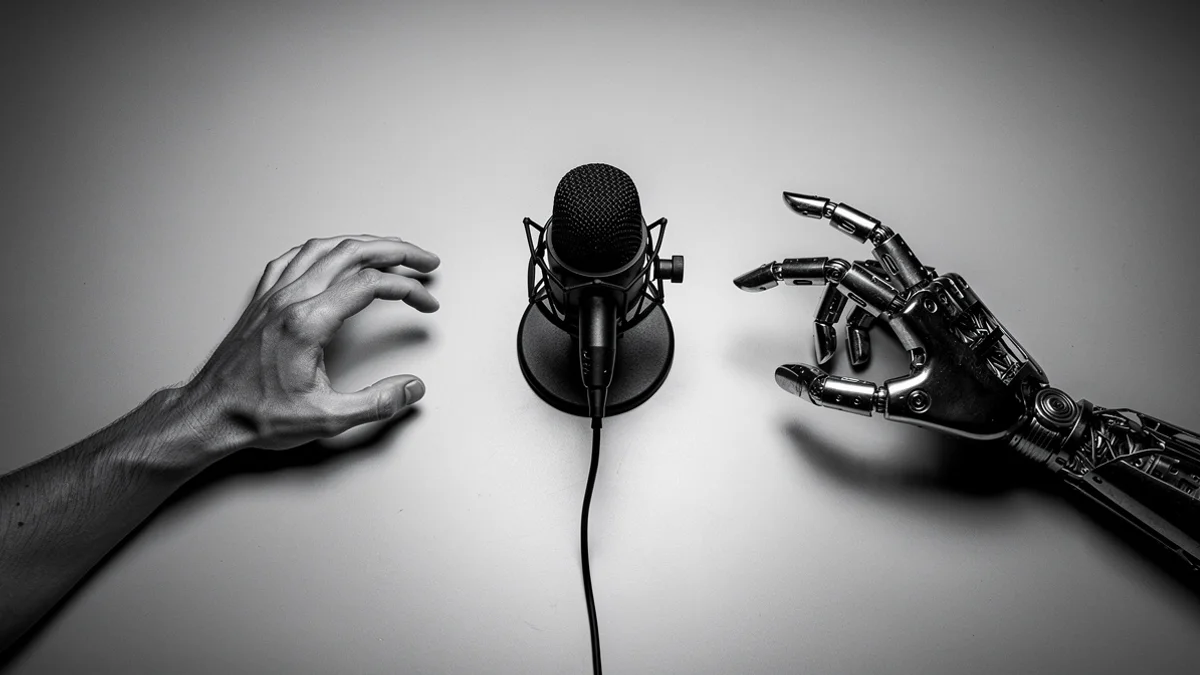
A recent piece in The Media Online argued that artificial intelligence can produce polished, grammatically correct text but lacks the judgment required to make real communication decisions. The article drew a line between writing ability and strategic thinking, pointing out that knowing what words to use is different from knowing when to speak, what to leave out, and who actually needs to hear what. The debate is heating up across every industry that relies on professional communication.
The Communication Angle
Here is the event worth dissecting: an entire media conversation has formed around AI writing tools, and almost everyone in that conversation is asking the wrong question. They keep asking whether AI can write well. That is not the question. The question is whether AI can decide well. Those are completely different skills, and confusing them is where professionals are getting into trouble.
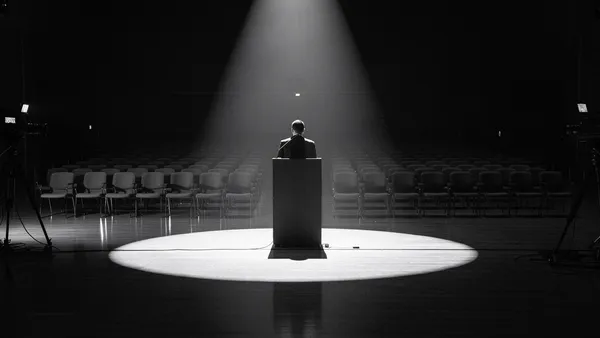
Writing is execution. Judgment is strategy. When a CEO needs to address a workforce after layoffs, the challenge is not finding articulate sentences. Any decent tool can do that. The challenge is deciding what to say first, what tone signals strength without coldness, what single message employees need to carry out of that room. That decision requires reading the room, understanding the stakes for every person in the audience, and knowing which truth to lead with. AI has no skin in that game.
The communication failure this story exposes is subtle but serious. Organizations are beginning to outsource their communication judgment to tools that can only handle the surface layer. They get clean copy and muddy strategy. The words look right. The instinct behind them is missing. I have seen this destroy trust faster than a poorly worded press release ever could, because polished language wrapped around a wrong call feels calculated. Audiences feel the gap between the words and the intent, even when they cannot name it.
The technique being ignored here is called audience-first sequencing. Before you write a single word, you map your audience's emotional state, their existing belief, and the one thing they need to feel by the end of your message. That sequencing decision is pure judgment. It requires context, stakes, and accountability. AI can execute the sequence once you hand it over. It cannot build the sequence from scratch with real consequences on the line.
Professionals who use AI as a drafting assistant while keeping judgment in their own hands will outperform those who hand the wheel over completely. The tools are genuinely useful for generating options, editing tone, and speeding up production. Use them for that. But the decision about what to say, to whom, and why right now: that lives with you.
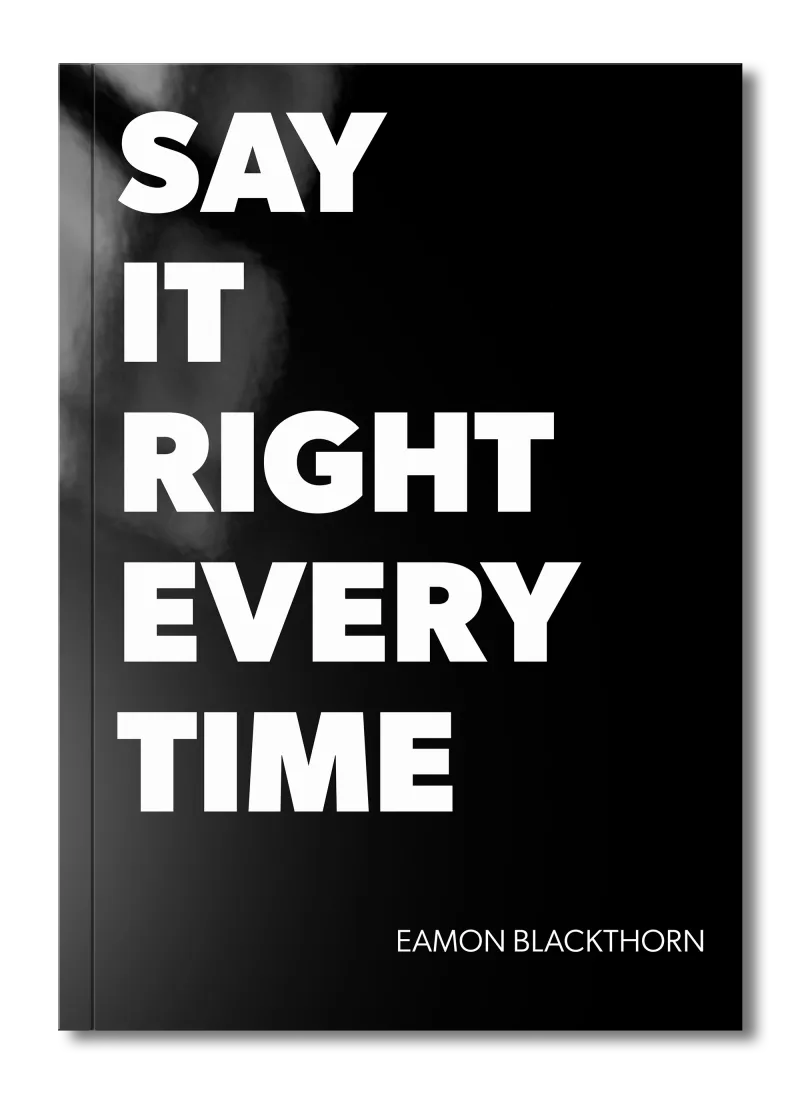
This is exactly the kind of scenario I break down in Say It Right Every Time. The chapter on strategic intention gives you a framework for separating what you want to say from what your audience actually needs to hear. That gap is where most communication fails, and it is the gap no algorithm can close for you.
Never Be Lost
for Words Again
Get word‑for‑word scripts for the conversations that shape your life, from job interviews and negotiations to difficult talks with family and partners, so you always know exactly what to say and how to say it.
Never Be Lost
for Words Again
Get word‑for‑word scripts for the conversations that shape your life, from job interviews and negotiations to difficult talks with family and partners, so you always know exactly what to say and how to say it.
Key Takeaway
Before you let any AI tool draft your next important message, write one sentence by hand: "The person reading this currently believes X, and I need them to leave believing Y." If you cannot write that sentence, you are not ready to write the message. That single step forces the judgment that no tool can replace, and it will make everything you write after it sharper.