

Body Language
How posture, gesture, and movement shape what others understand before a word is spoken.
Body language covers the physical signals people send and read constantly: posture, gesture, eye contact, proximity, and the small movements that leak emotion or intent. These cues often contradict spoken words, and that gap is where real meaning lives.<br><br>Learning to read and manage body language gives you a concrete edge in conversations, interviews, and conflict. It starts with observation, then intention.
 20 min audio
 How Body Language Translates to Written Communication Awareness
Body language shapes how we read and write words, even when no one is in the room. This article presents five structured frameworks for applying physical communication awareness to written messages, helping you choose words that land the way a steady, open posture would in person.
Read Article → 14 min audio
 Reading Body Language in Medical or Therapeutic Settings
Body language in medical and therapeutic settings carries meaning that spoken words often miss. This article walks through six realistic scenarios showing what physical signals reveal, when they mislead, and how practitioners and patients can read each other more accurately.
Read Article → 12 min audio
 Body Language Patterns That Emerge When Someone Is About to Quit or Disengage Long-Term
When someone is about to quit or disengage, their body often signals it weeks before they speak. This article walks through five realistic workplace scenarios showing exactly which body language patterns appear, what they mean, and what happens when you miss them.
Read Article → 19 min audio
 Body Language Adjustments for Communicating With Someone Who Is Visually Impaired
When someone cannot see your body language, your posture, gestures, and physical orientation still shape the conversation. This article gives you five practical frameworks for adjusting how you hold yourself, move, and position your body to communicate clearly and respectfully with someone who is visually impaired.
Read Article → 13 min audio
 Body Language When You Are the Only Person in the Room Who Looks Different
When you are the only person in the room who looks different, your body language carries extra weight. This article explains what that pressure does to your posture, presence, and credibility, and how to reclaim control of the signals your body sends.
Read Article → 17 min audio
 Body Language in Leadership: What the L.E.A.D. Method Demands Physically
The L.E.A.D. Method gives leaders a four-step framework for structured conversations. But words alone do not lead. This article explains exactly what your body must do at each stage of L.E.A.D. to make your presence match your message and earn genuine trust.
Read Article → 13 min audio
 The Role of Micro‑Movements in Subconscious Expression
Micro-movements are the body's unfiltered commentary on every conversation you have. They happen faster than conscious thought and carry more weight than most people realise. This article explains the mechanics behind subconscious body language and what it means for how others read you.
Read Article → 14 min audio
 Body Language Patterns in Volunteer or Uncompensated Leadership Roles
Volunteer and uncompensated leaders cannot rely on a paycheck to hold a team together. This article examines real scenarios where body language either built or fractured trust, revealing what physical presence actually communicates when formal authority is absent.
Read Article → 17 min audio
 Grounded Stillness as an Authority Signal: The Body Language of Women Who Lead Without Backlash
Grounded stillness is the body language skill that lets women lead with authority without triggering the backlash that assertive posture often brings. This article teaches the exact physical signals, a six-step preparation process, and a ready-to-use pre-meeting checklist drawn from Chapter 11 of Say It Right Every Time For Women.
Read Article → 16 min audio
 Common Body Language Mistakes Leaders Accidentally Make
Leaders often lose credibility not through their words but through their posture, gestures, and gaze. This article identifies the most common body language mistakes leaders make, explains why they happen, and gives you a clear first step toward correcting each one.
Read Article → 20 min audio
 How to Use the Conversation Pre-Mortem to Prepare Your Body Language in Advance
Most people script what they will say before a hard conversation. Almost nobody scripts how they will hold themselves. This article teaches the Conversation Pre-Mortem as a practical system for planning your body language in advance, so your posture and gestures work for you, not against you.
Read Article → 14 min audio
 How Body Language Signals Shift When a Group Reaches Consensus Versus Stays Divided
Body language shifts in measurable ways when a group moves toward consensus or stays stuck in division. This article walks through five realistic workplace scenarios, showing exactly what those physical signals look like and what they cost when leaders miss them.
Read Article → 18 min audio
 Body Language During Salary Negotiations: What to Do With Your Posture, Hands, and Stillness
Your posture, hands, and stillness send a message before you speak a word in a salary negotiation. This article gives you a practical, step-by-step process for managing your body language so you project calm confidence and earn the outcome you deserve.
Read Article → 21 min audio
 How to Hold Your Body When You're Being Interrupted and Need to Reclaim the Floor
Being interrupted erases your authority faster than anything you say. This article gives you the exact body language scripts, postures, and word-for-word phrases to reclaim the floor with confidence, drawn from the floor-reclaiming framework in Say It Right Every Time For Women.
Read Article → 18 min audio
 How to Read Body Language in Crowded or Noisy Environments
Reading body language in crowded, noisy environments is harder than most people realise. Ambient noise, competing movement, and divided attention all distort what you see. This guide gives you a practical, step-by-step process for reading physical signals accurately when conditions are working against you.
Read Article → 22 min audio
 How the B.R.I.D.G.E. Method Guides Your Physical Presence Through Relationship Repair Conversations
The B.R.I.D.G.E. Method from Say It Right Every Time gives you a step-by-step physical presence guide for relationship repair conversations. This article teaches each body language element in full, with examples, a decision guide, and a practice plan you can start using today.
Read Article → 13 min audio
 Reading Submission and Dominance Cues in Everyday Social Interactions
Submission and dominance cues in body language shape every social interaction, often before anyone speaks. This article walks through five realistic scenarios where these cues determined outcomes, and shows you how to read and respond to them with clarity and confidence.
Read Article → 14 min audio
 How Body Language Evolves as People Age and What That Means for Communication
Body language changes as we age, and those changes affect how we are read by others. This article examines how posture, gesture, and physical expression shift across the decades, why those shifts happen, and what they mean for how you communicate every day.
Read Article →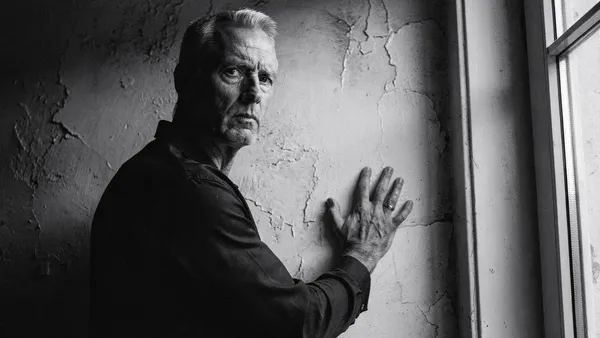 16 min audio
 How to Project Charisma Without Saying a Word
Charisma is not a personality trait reserved for the naturally gifted. It is a set of physical signals you can learn, practice, and apply deliberately. This article gives you a clear, step-by-step process for using body language to project presence, earn trust, and hold a room.
Read Article → 18 min audio
 Using Body Language Awareness to Navigate Office Politics
Office politics play out in posture, eye contact, and gesture as much as in words. This article gives you a practical, step-by-step process for reading body language signals accurately and using your own physical presence to build trust and navigate political tensions with confidence.
Read Article → 14 min audio
 The Physical Signals That Tell Others You Are Actively Listening
Active listening is not just a mental act. Your body language broadcasts whether you are truly present or simply waiting to speak. This article examines five realistic scenarios showing what attentive physical signals look like in practice, and what happens when they disappear.
Read Article → 19 min audio
 Using the D.E.A.L. Method to Physically Anchor Your Presence During Conflict
The D.E.A.L. Method gives you a structured approach to conflict resolution. But without deliberate body language, even the best words fall flat. This article shows you how to use physical anchoring within each D.E.A.L. step to hold your ground with calm, visible authority.
Read Article →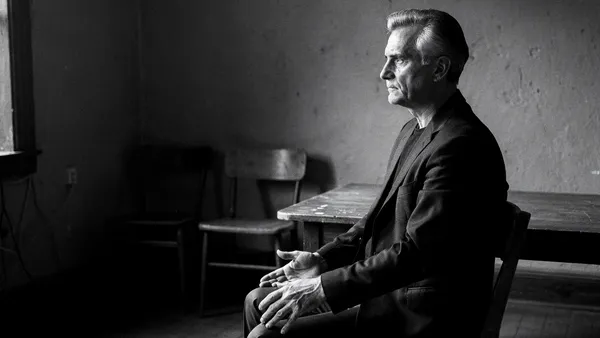 15 min audio
 How to Physically Communicate Patience Without Appearing Passive
Communicating patience through body language is harder than it sounds. This article gives you a practical, step-by-step process for using posture, stillness, and gesture to signal calm strength, so you are never mistaken for someone who has checked out or given up.
Read Article →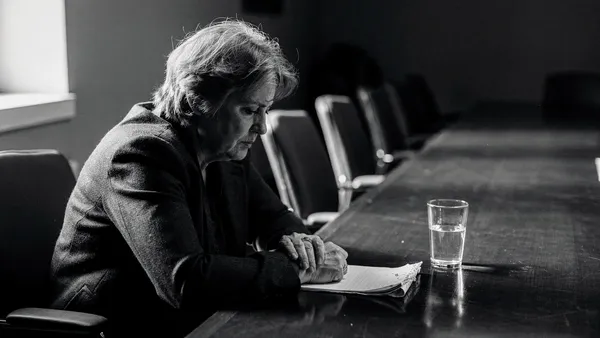 18 min audio
 The Physical Habits of Over-Functioning: Body Language Patterns That Signal You're Carrying Too Much
Over-functioning shows up in your body before your mind admits it. This article identifies six body language patterns that signal you are carrying too much, explains why each develops, and gives you a clear first move toward reclaiming your physical presence at work.
Read Article →